Why is BIPV (Building Integrated Photovoltaics) shifting towards cadmium telluride (CdT) photovoltaics?
Because CdT, with its robust advantages of shading resistance, high-temperature stability, and long lifespan, perfectly solves the pain point of crystalline silicon's "failure" in real-world scenarios. In the world of BIPV, real "reliability" is far more compelling than theoretical "efficiency."
The Truth About Efficiency:The Distance Between Ideal and Reality
The 26% efficiency of crystalline silicon modules was measured in a laboratory environment with perfect lighting, constant temperature, and no shading. However, building facades face entirely different challenges: vertical installation angles, localized shading, and extreme temperature variations.
In contrast, CdT modules perform more robustly in real-world environments:
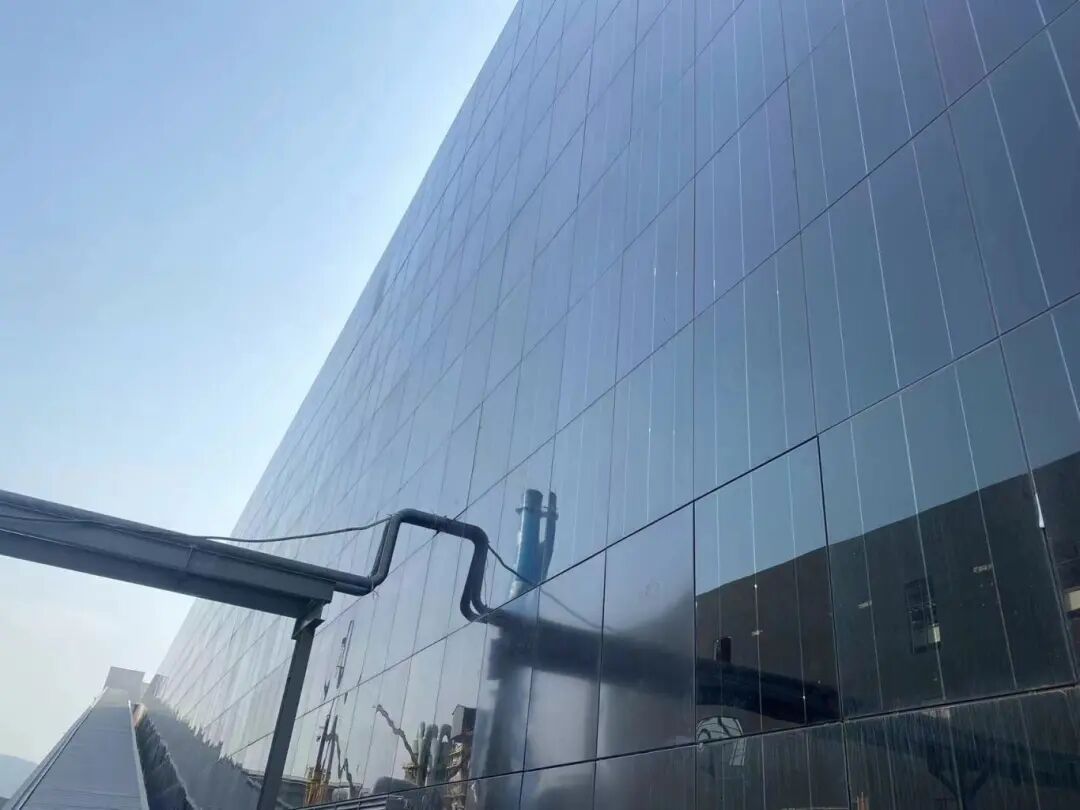
No Hot Spot Effect
CdT is unaffected by localized shading, fundamentally reducing the risk of fire; while crystalline silicon, once shaded by building shadows or bird droppings, will overheat locally, forming "hot spots," which not only drastically reduce efficiency but may also burn through the backsheet.
Superior Temperature Coefficient
With a temperature coefficient of -0.19%/℃, cadmium telluride (CdT) means that for every 1℃ increase in temperature, efficiency drops by only 0.19%, ensuring stable output in high-temperature environments. In contrast, crystalline silicon typically has a temperature coefficient above -0.4%/℃. In summer, when curtain walls are exposed to sunlight reaching 50℃, crystalline silicon efficiency drops by 10%, while CdT maintains a stable performance.
Multi-Angle Adaptability
When installed vertically, CdT's excellent low-light power generation capability can actually achieve higher annual power generation.
Architectural Compatibility
Beyond power generation, CdT modules integrate true building material properties. They possess flexible and adjustable light transmittance characteristics, with an adjustment range covering 0% to 60%, allowing for precise balancing of building lighting and photovoltaic power generation needs according to actual requirements. Furthermore, this material supports customized designs with various colors and textures, naturally integrating into diverse architectural scenarios such as glass curtain walls and skylights, achieving seamless integration of the photovoltaic system with the building's appearance.
In contrast, traditional crystalline silicon modules have several limitations in building-integrated applications: light transmittance is usually not adjustable, the appearance design is relatively limited, and their plastic backsheets have weak resistance to long-term outdoor environments.

Superior Weather Resistance
Cadmium telluride (CdT) modules offer superior weather resistance, adapting to extreme temperature differences from -40°C to -85°C, meeting Class IV hail resistance standards, and withstanding 6000 Pa of snow pressure. Even in harsh environments such as northern rooftops or coastal curtain walls, characterized by heavy snowfall and strong winds, these modules maintain structural integrity without the risk of cracking or delamination.
In contrast, the plastic backsheets used in crystalline silicon modules are prone to brittleness at low temperatures and aging at high temperatures, resulting in a lifespan that is generally more than five years shorter than that of CdT modules in harsh climates. CdT modules have a long lifespan and slow performance degradation, offering significantly better long-term reliability than crystalline silicon materials.
Long-Term Value: Comprehensive Lifecycle Assessment
While crystalline silicon modules boast impressive initial efficiency figures, they experience faster degradation in actual use, leading to higher maintenance costs. Cadmium telluride (CdT) modules exhibit a longer lifespan and a slower degradation curve. They are virtually maintenance-free, have no hot spot hazards, and offer superior overall economic benefits throughout their lifecycle.
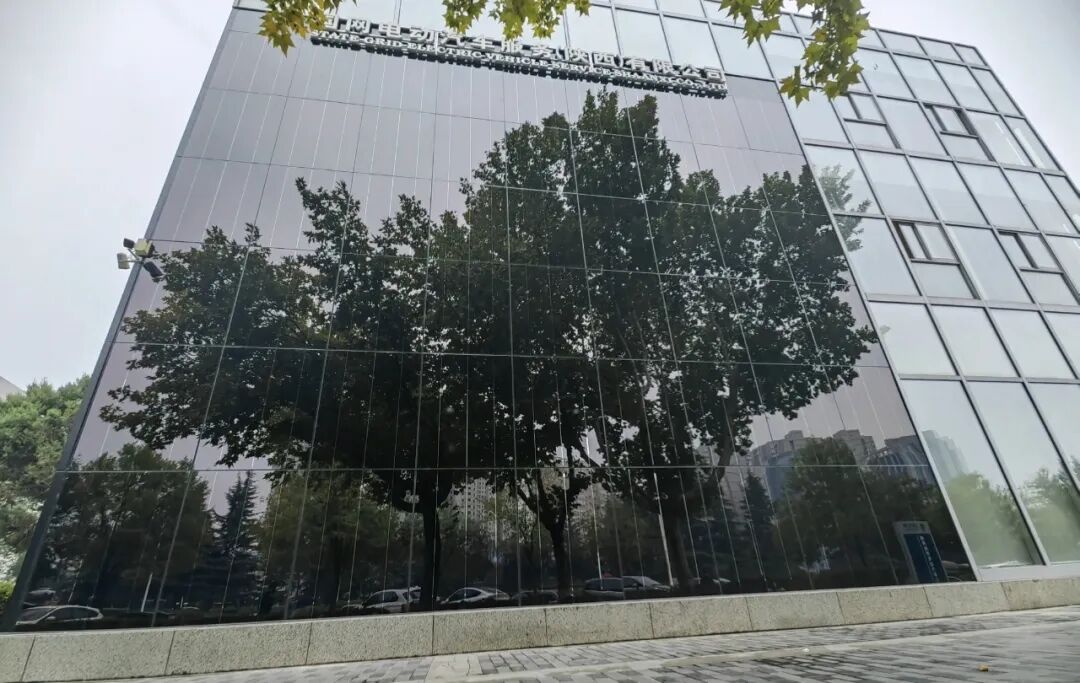
With the development of building-integrated photovoltaics (BIPV) technology, industry selection criteria are shifting from simple efficiency comparisons to more comprehensive performance evaluations. CdTe technology, with its comprehensive advantages in building adaptability, safety, and long-term reliability, is redefining the value standard for high-end building-integrated photovoltaics—the most suitable is the most efficient.